A broad introduction to the field of Artificial Intelligence (AI).
The history of AI and its evolution (“Understanding the past helps us shape the future!”).
Fundamental algorithms for solving AI problems, including search techniques (e.g., A*), game strategies, and constraint satisfaction problems.
High-level overviews of key AI topics:
Machine learning and deep neural networks.
Transformer architectures and foundation/large language models.
AI safety, ethical considerations, and societal impacts.
Course Assessment Measures & Grading Criteria
Grading Criteria: The following specific grading criteria are subject to change.
You should consult the assignment specifications for the latest grading criteria.
Exams: 70%
Exam 1: 20% (Feb 25)
Exam 2: 20% (Mar 25)
Exam 3: 30% Apr 22)
Projects: 15%
5 projects, 3% each
Written Homework: 15%
5 homework assignments, 3% each
Participation in a study to improve the course: 1% extra credit
Optional participation in a study related to the course project in a group study during class time on Jan 28, Jan 31, and Feb 11
Course Projects
Project 0: Unix/Python Tutorial
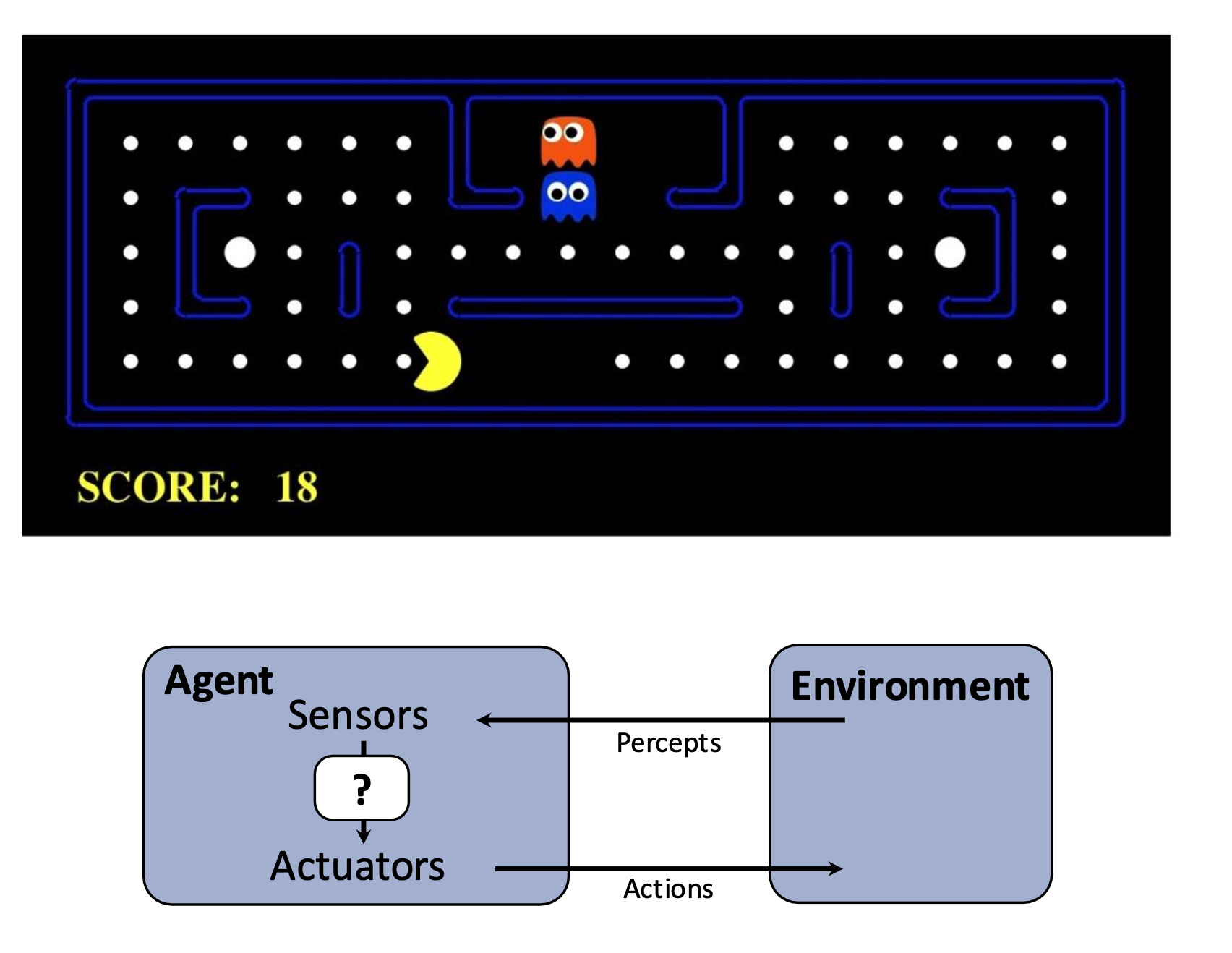
Project 1: Search in PacMan
Project 2: Multi-Agent PacMan
Project 3: Reinforcement Learning
Project 4: Ghostbusters
Project 5: Classification
Image Credit: Pac-Man is a registered trademark of Namco-Bandai Games, used here for educational purposes.
Homework and Projects
Assigned Date
Due Date/Time (11:59 PM ET)
Project 0
Jan 10
None
Homework 1
Jan 17
Jan 27
Project 1
Jan 24
Feb 03
Homework 2
Jan 28
Feb 10
Project 2
Feb 07
Feb 17
Homework 3
Feb 11
Feb 24
Project 3
Feb 28
Mar 17
Homework 4
Mar 11
Mar 24
Project 4
Mar 14
Mar 31
Project 5
Mar 28
Apr 07
Homework 5
Apr 04
Apr 14
Tentative Course Calendar
This is a tentative calendar, and it is subject to change. You should consult the online course materials for the latest course calendar.
Week
Date
Topic
Week 1
Jan 07
Course Introduction, History and Foundations of AI
Jan 10
Search I
Week 2
Jan 14
Search II
Jan 17
Constraint Satisfaction Problems
Week 3
Jan 21
Logic
Jan 24
Game Trees I
Week 4
Jan 28
Game Trees II (recorded lecture)
Jan 31
Markov Decision Processes I (recorded lecture)
Week 5
Feb 04
Markov Decision Processes II
Feb 07
Reinforcement Learning I
Week
Date
Topic
Week 6
Feb 11
Reinforcement Learning II (recorded lecture)
Feb 14
Introduction to Probability
Week 7
Feb 18
No Class (Monday Schedule)
Feb 21
Recap for Exam 1
Week 8
Feb 25
Exam 1
Feb 28
Bayes Nets I
Week 9
Mar 04, 06
No Class (Spring Break)
Week 10
Mar 11
Bayes Nets II
Mar 14
Decision Networks and Value of Information
Week
Date
Topic
Week 11
Mar 18
Hidden Markov Models
Mar 21
Recap for Exam 2
Week 12
Mar 25
Exam 2
Mar 28
Machine Learning
Week 13
Apr 01
Deep Learning
Apr 04
Transformers
Week 14
Apr 08
Foundation Models
Apr 11
Emerging Topics and Applications in AI
Week 15
Apr 15
Ethics and Safety of AI
Apr 18
Recap for Exam 3
Week 16
Apr 22
Exam 3
General Course Policies (1)
Website and Announcements:
You are responsible for checking the course website, Submitty, and your email regularly for announcements and course materials.
Lectures:
Attendance is highly encouraged. You are responsible for all material covered and announcements made in the lectures.
If you are going to miss a lecture, there’s no need to email the instructor.
Laptops and Electronic Devices:
No laptops or electronic devices are allowed in lectures.
“Movie theater” rules apply: no screens visible during lectures.
Students who disrupt class will be asked to leave.
Getting Help:
Use Piazza, TAs, or mentors for project-related questions.
Acknowledge contributions from others if you discuss problems.
The instructor does not assist with debugging projects.
General Course Policies (2)
Exams
No external aids are permitted during exams. This includes books, notes, papers, computers, calculators, or other devices. Please only bring pens/pencils.
If you miss an exam due to a valid reason (e.g., illness):
Submit the necessary documentation to the class dean (do not send it to the course staff).
Request the class dean to provide a letter verifying your absence.
Coordinate with us to schedule a make-up exam.
Important: Scheduling a make-up exam is your responsibility.
Late Days for Homework and Projects:
Maximum two late days per written homework or project.
The total number of late days cannot exceed six across all assignments.
Exceptions require an official letter from the class dean due to a valid reason.
Re-grading:
Report grading issues within one week of grades being available.
For the final exam, requests must be made within 2 days.
Late requests outside the allowed 6 days require an official excuse letter.
General Course Policies (3)
Use of AI Tools in Homeworks and Projects:
Using AI tools is allowed in Homework and Projects but must be properly acknowledged.
Include an appendix in submissions with:
Description of the AI tools used (e.g., ChatGPT).
Explanation of how the AI tools were used.
Reason for using AI tools (e.g., saving time, stimulating thinking).
Entire AI tool exchange, highlighting key sections.
Academic Integrity
Academic Dishonesty:
Refer to the Rensselaer Handbook of Student Rights and Responsibilities and the Graduate Student Supplement.
All graded assignments must represent the student’s own work.
Collaboration or help must be acknowledged with a notation on the assignment.
Fair Representation of Work:
Misrepresenting others’ work as your own is a violation of academic integrity.
Assignments in violation of this policy will result in:
An academic (grade) penalty.
Reporting to the Associate Dean of Academic Affairs and relevant Dean (Undergraduate or Graduate).
Penalties:
First offense: Zero grade for the affected portion.
Second offense: Failure of the course.
Questions:
If unsure about the policy, ask for clarification before submitting assignments.
Academic Accommodations
Accessibility Commitment:
Rensselaer Polytechnic Institute strives to make all learning experiences as accessible as possible.
Register for Accommodations:
Contact The Office of Disability Services for Students:
Services: Confidential and cost-effective treatment for acute and chronic health issues.
Counseling Center
Services: Free and confidential appointments for mental health and personal growth.
Office of Health Promotion
Services: One-on-one consultations (sleep hygiene, mental health, sexual health, etc.).
Any questions about the course logistics?
What is AI?
What is intelligence?
Strong and Weak AI
AI is having real-world impact
Public Imagination - Text Assistants
AI is having real-world impact
Public Imagination - Image generation
AI is having real-world impact
Economy - Huge growth in AI
AI is having real-world impact
Politics
AI is having real-world impact
Politics
AI is having real-world impact
Politics
AI is having real-world impact
Politics
AI is having real-world impact
Law
AI is having real-world impact
Labor
AI is having real-world impact
Sciences
AI is having real-world impact
Sciences
AI is having real-world impact
Nobel Prize in Physics 2024
AI is having real-world impact
Nobel Prize in Chemistry 2024
AI is having real-world impact
Education
Science Fiction AI
What is AI?
The science of making machines that are intelligent.
Machines that can think, learn, and create.
What is intelligence?
It is not my aim to surprise or shock you – but the simplest way I can summarize is to say that there are now in the world machines that can think, that learn, and that create.
Moreover, their ability to do these things is going to increase rapidly until — in a visible future — the range of problems they can handle will be coextensive with the range to which human mind has been applied.
by Herbert A Simon (1957)
Human Intelligence
Brains (human minds) are very good at making rational decisions, but not perfect.
Brains aren’t as modular as software, so hard to reverse engineer!
AI may be better than brains at some tasks.
“Brains are to intelligence as wings are to flight”
We can’t yet build AI on the scale of the brain
~100T synapses in the human brain vs ~500B weights in artificial neural networks
Still, the brain can be a great inspiration for AI!
Strong and Weak AI
Weak AI — acting intelligently
the belief that machines can be made to act as if they are intelligent
Strong AI — being intelligent
the belief that those machines are actually thinking
Most AI researchers don’t care
“the question of whether machines can think… …is about as relevant as whether submarines can swim.”
(Edsger W Dijkstra, 1984)
Weak AI
Weak AI is a category that is flexible
as soon as we understand how an AI program works,
it appears less “intelligent.”
And as soon as AI is successful, it becomes its own research area!
e.g., search algorithms, natural language processing,
optimization, theorem proving, machine learning, etc.
And AI is left with the remaining hard-to-solve problems!
e.g., commonsense reasoning, human-level creativity, artificial general intelligence
What is an AI system?
Do we want a system that…
thinks like a human?
cognitive neuroscience / cognitive modeling
AGI = artificial general intelligence
acts like a human?
the Turing test
a benchmark for evaluating whether a machine’s behavior is indistinguishable from that of a human
focuses on external behavior rather than internal thought processes
thinks rationally?
“laws of thought”
from Aristotle’s syllogism to modern-day theorem provers
acts rationally?
“rational agents”
maximize goal achievement, given the available information
This is the dominant approach in modern AI because it optimizes outcomes rather than mimicking human thought or behavior.
A Brief History of AI
1940-1950: Early days: neural and computer science meet
1943
McCulloch & Pitts: Boolean circuit model of brain
1950
Alan Turing’s “Computing Machinery and Intelligence”
1951
Marvin Minsky develops a neural network machine
1950—70: Excitement! Logic-driven
1950s
Early AI programs: e.g., Samuel’s checker’s program, Gelernter’s Geometry Engine, Newell & Simon’s Logic Theorist and General Problem Solver
The environment type largely determines the agent design
Environment types, examples
Chess (w. clock)
Poker
Driving
Image recognition
Observable?
fully
partially
partially
fully
Deterministic?
determ.
stochastic
stochastic
determ.
Episodic?
sequential
sequential
sequential
episodic
Static?
semidyn.
static
dynamic
static
Discrete?
discrete
discrete
continuous
disc./cont.
No. of agents
multiple (compet.)
multiple (compet.)
multiple (cooper.)
single
The real world is (of course): partially observable, stochastic, sequential, dynamic, continuous, multi-agent
What do we mean by a solution in AI?
Given an informal description of a problem, what is a solution?
Typically, much is left unspecified, but the unspecified parts cannot be filled in arbitrarily.
Much work in AI is motivated by commonsense reasoning.
The computer needs to make commonsense conclusions about the unstated assumptions.
Example: If you ask an AI to “make a PB sandwich,” it needs to assume unstated details like the location of the in supplies and the steps in the process.
Quality of Solutions
Does it matter if the answer is wrong or answers are missing?
Some applications demand perfection, while others tolerate approximations.
Classes of solutions:
An optimal solution is the best solution according to some measure of solution quality.
Example: In pathfinding, the optimal solution is the shortest path.
A satisficing solution is one that is good enough, according to some description of which solutions are adequate.
Example: In scheduling, a satisficing solution might be a schedule that avoids conflicts, even if it isn’t the most efficient.
An approximately optimal solution is one whose measure of quality is close to the best theoretically possible.
Example: Classification algorithms.
A probable solution is one that is likely to be a solution.
Example: Prediction algorithms.
Types of agents
Simple reflex agent
selects actions based on current percept — ignores history
Model-based reflex agent
maintains an internal state that depends on the percept history
Goal-based agent
has a goal that describes situations that are desirable
Utility-based agent
has a utility function that measures the performance
Learning agent
any of the above agents can be a learning agent — learning can be online or offline


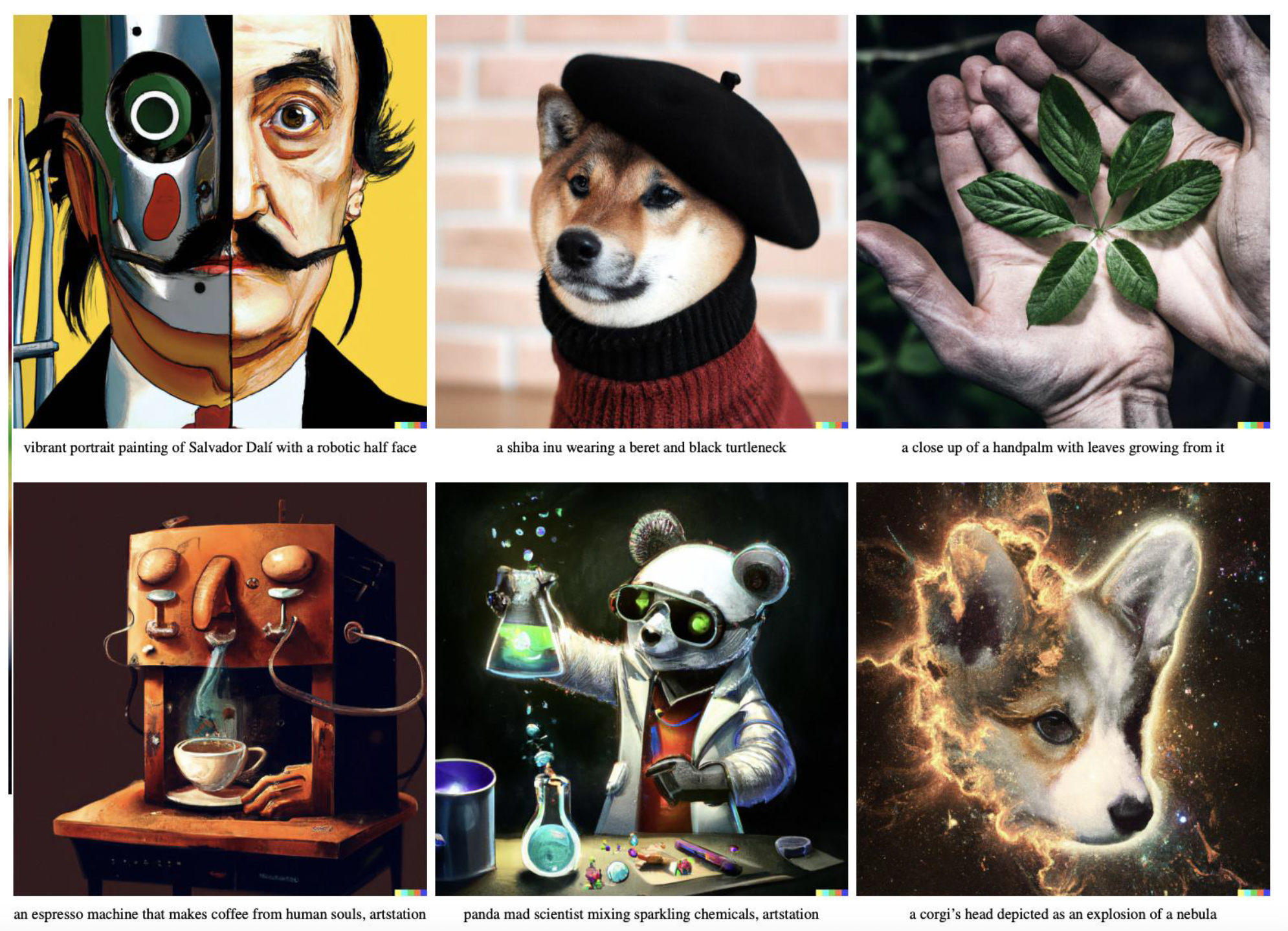
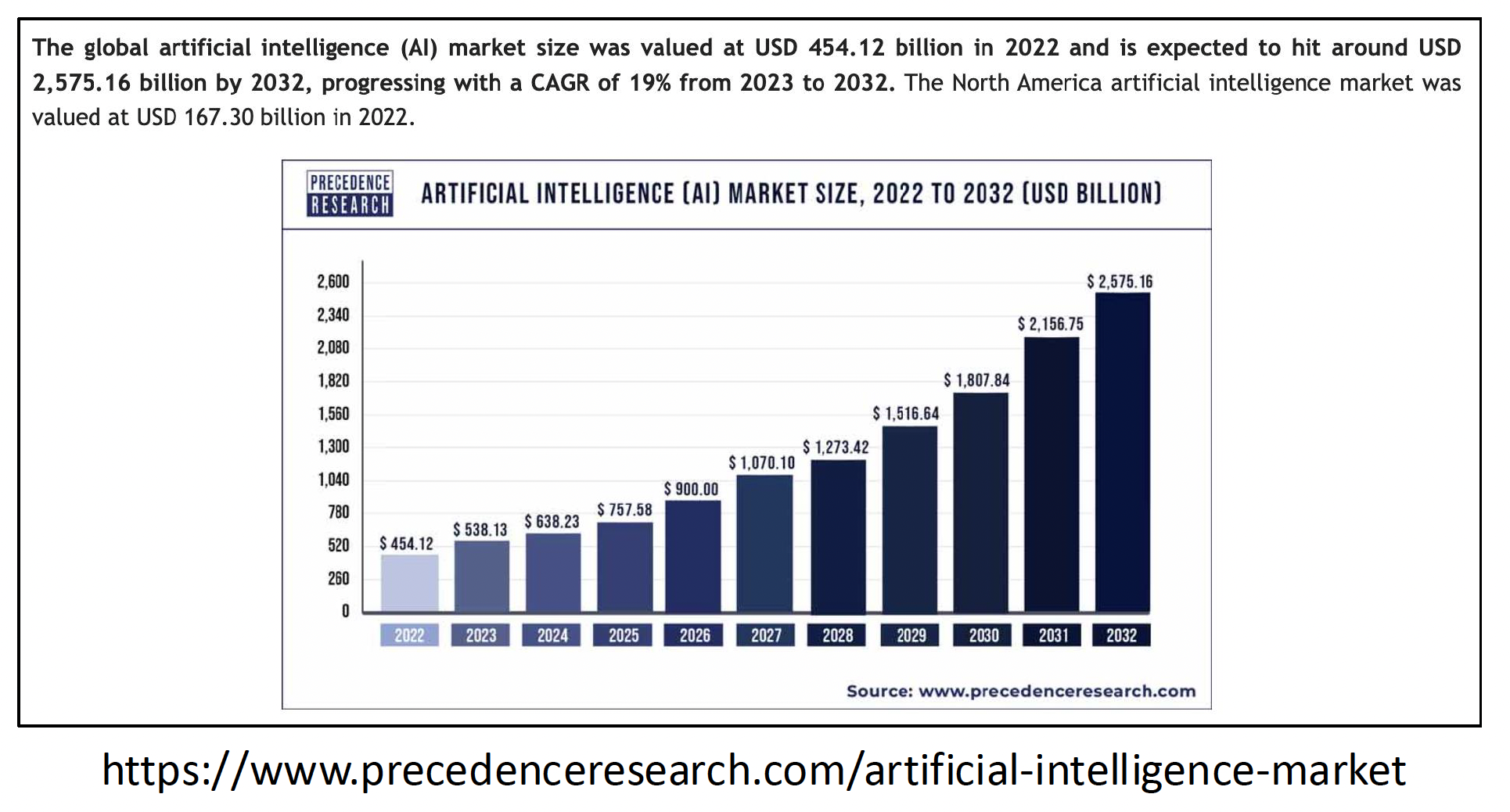
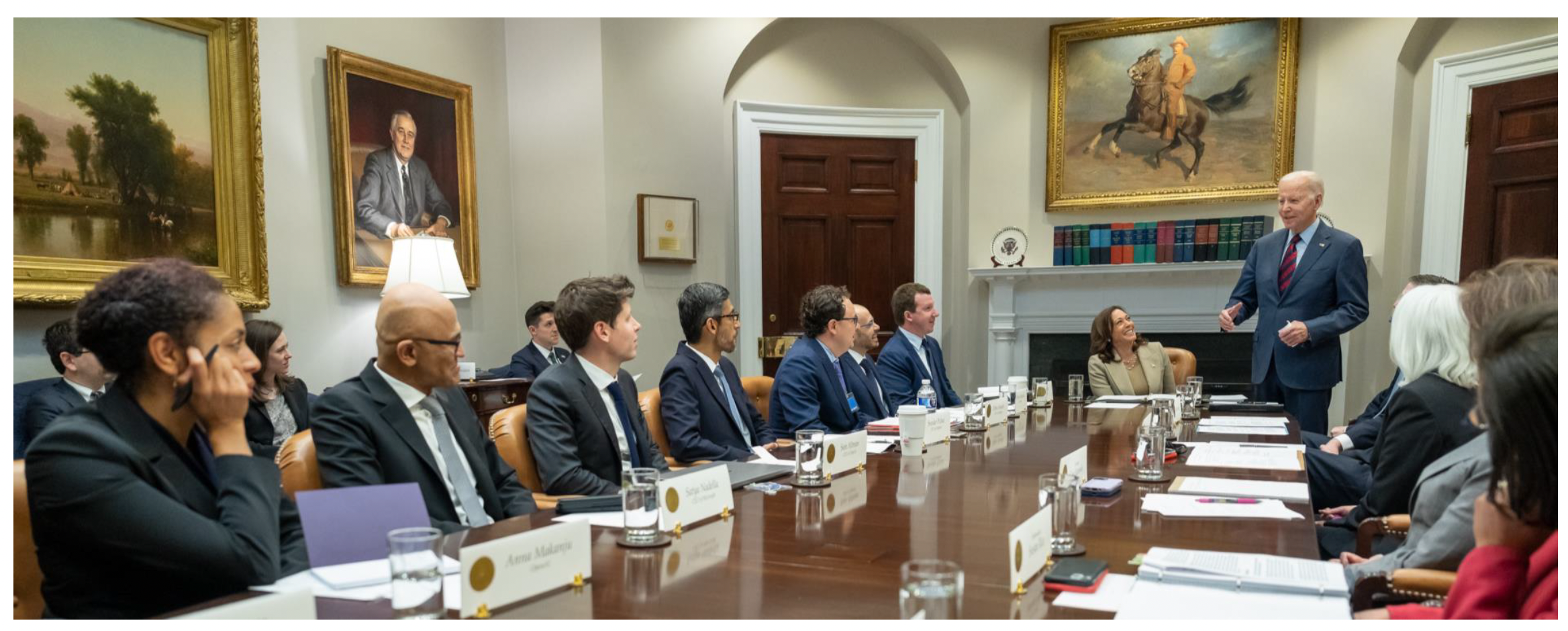



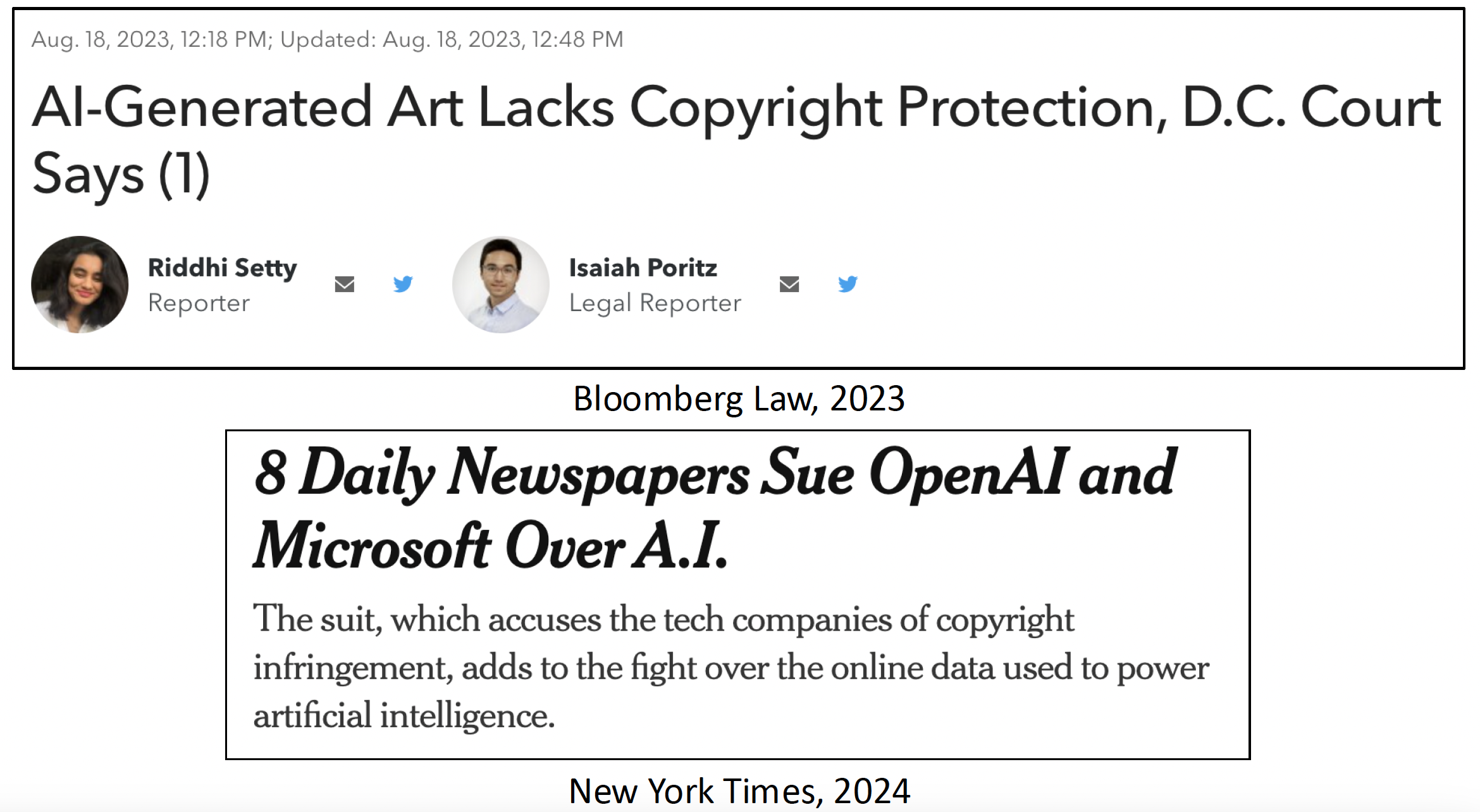
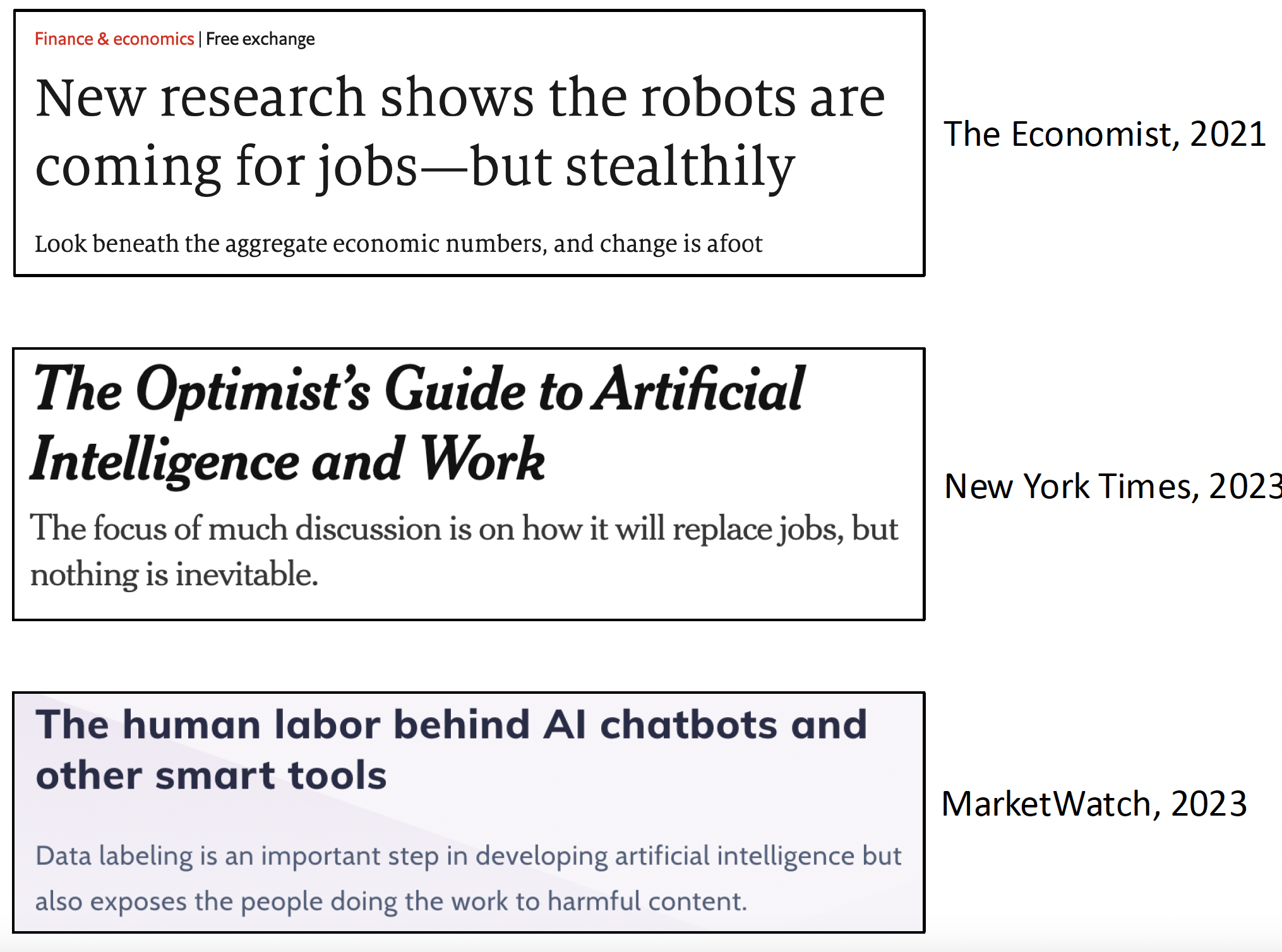
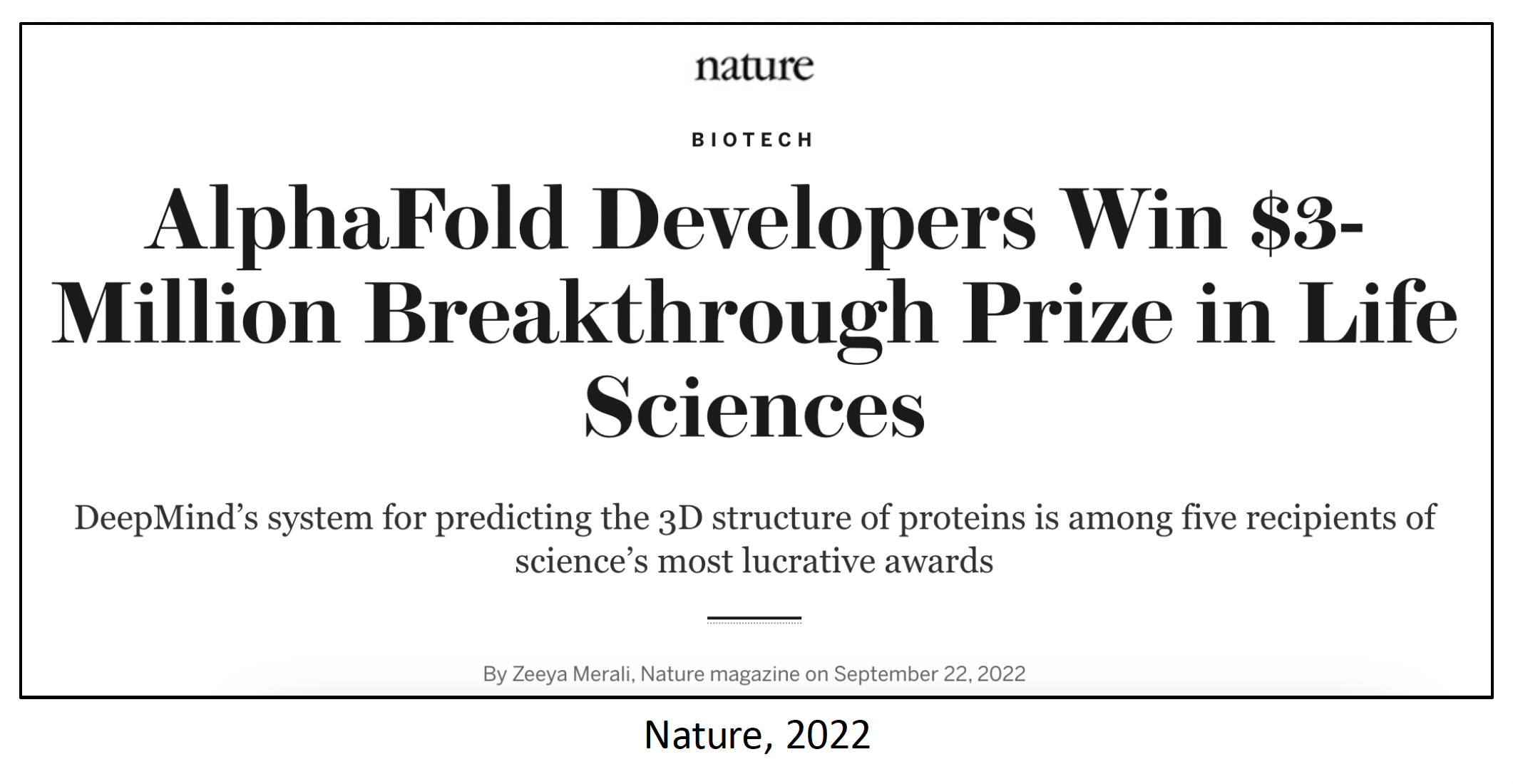
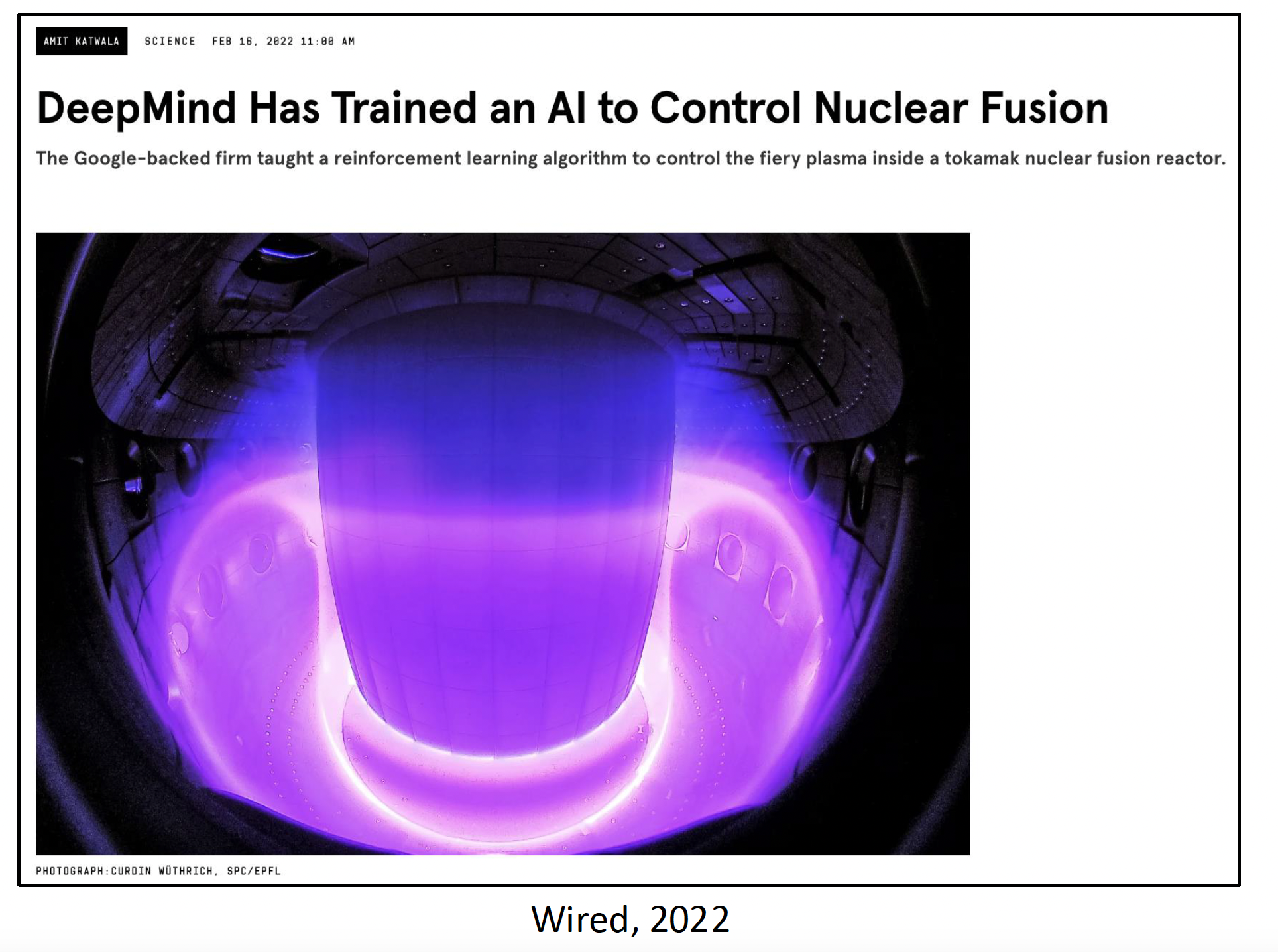
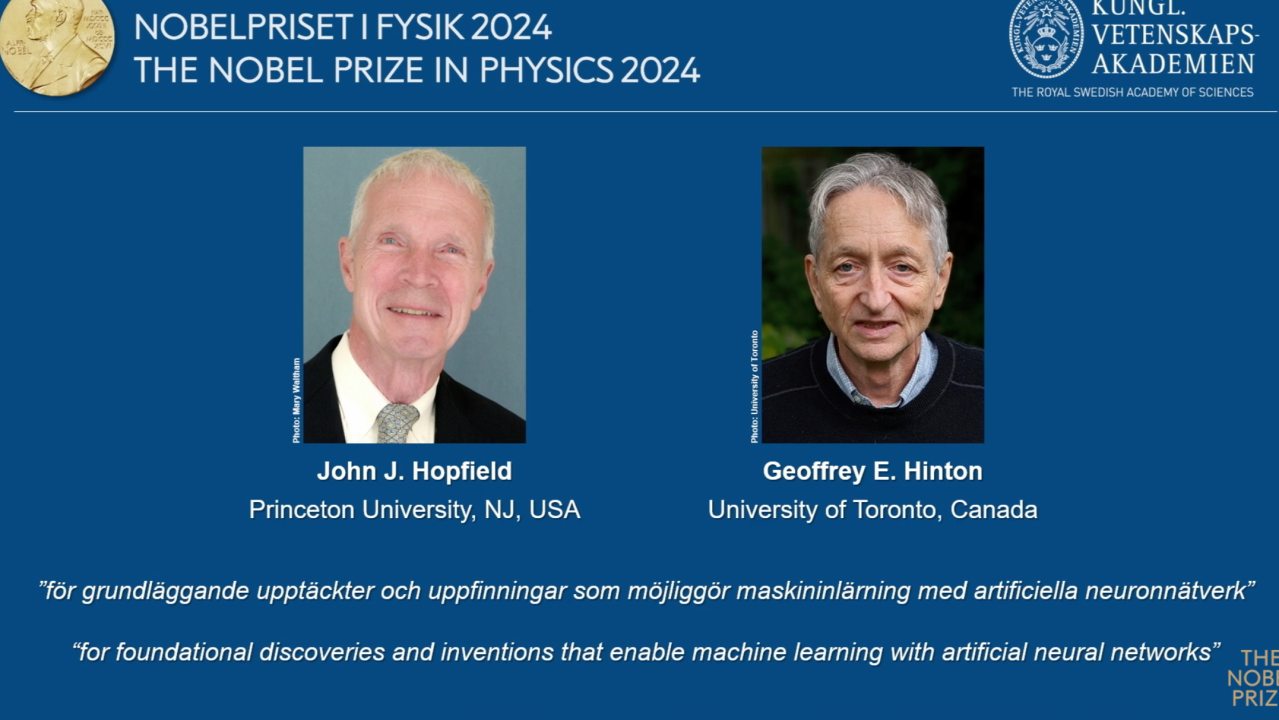
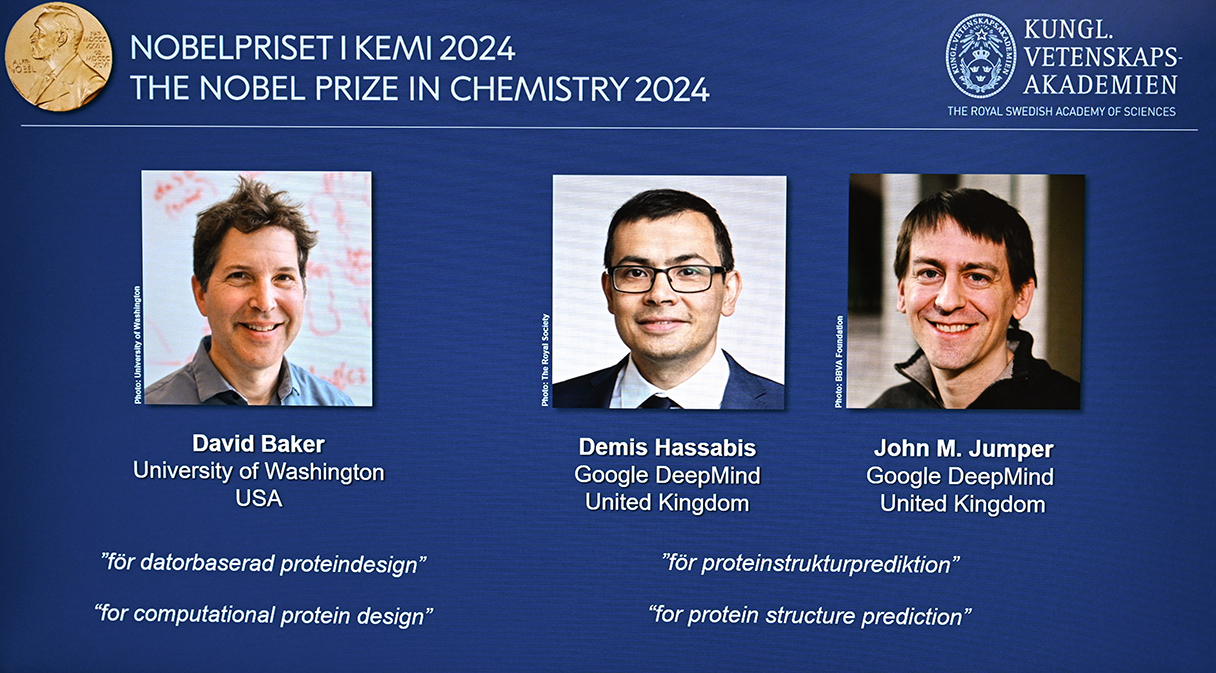
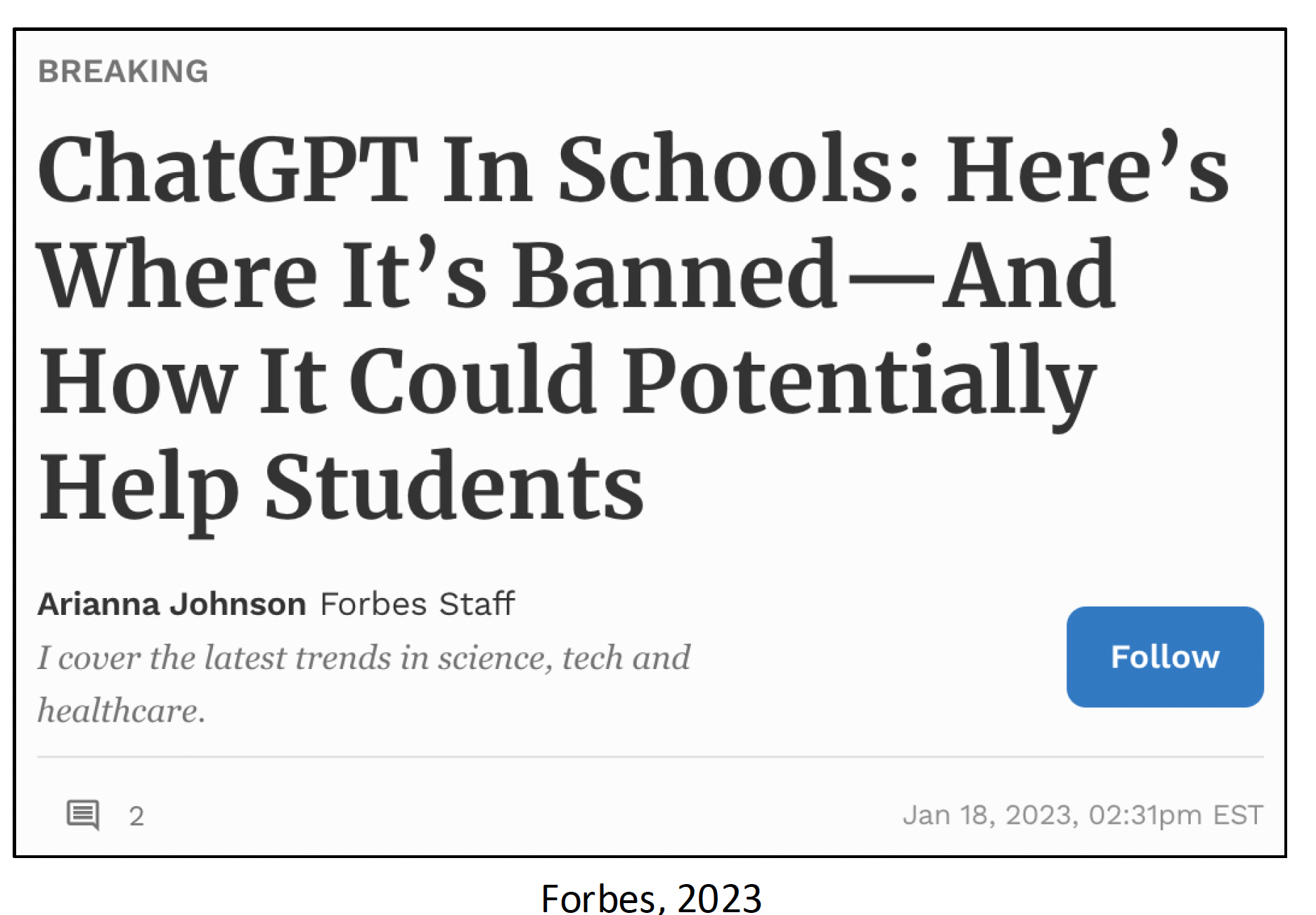
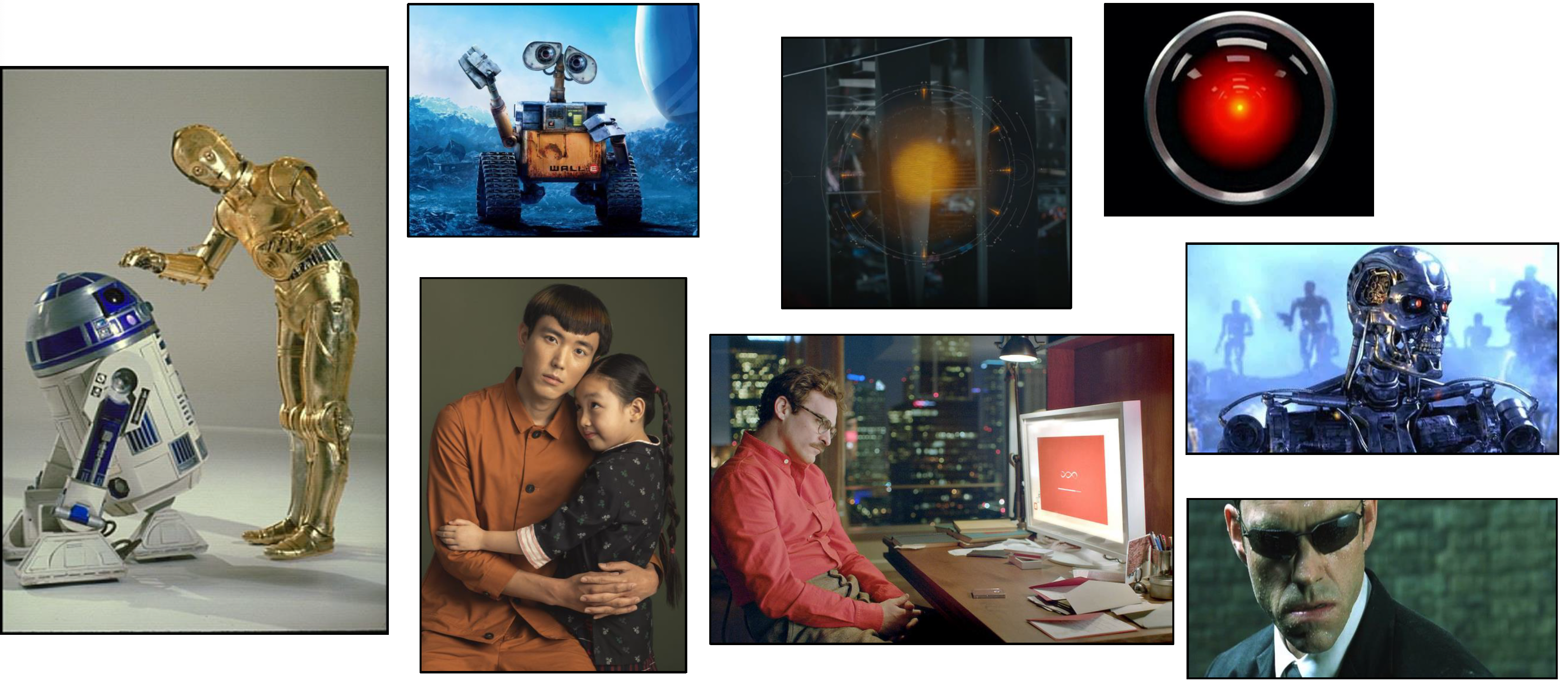

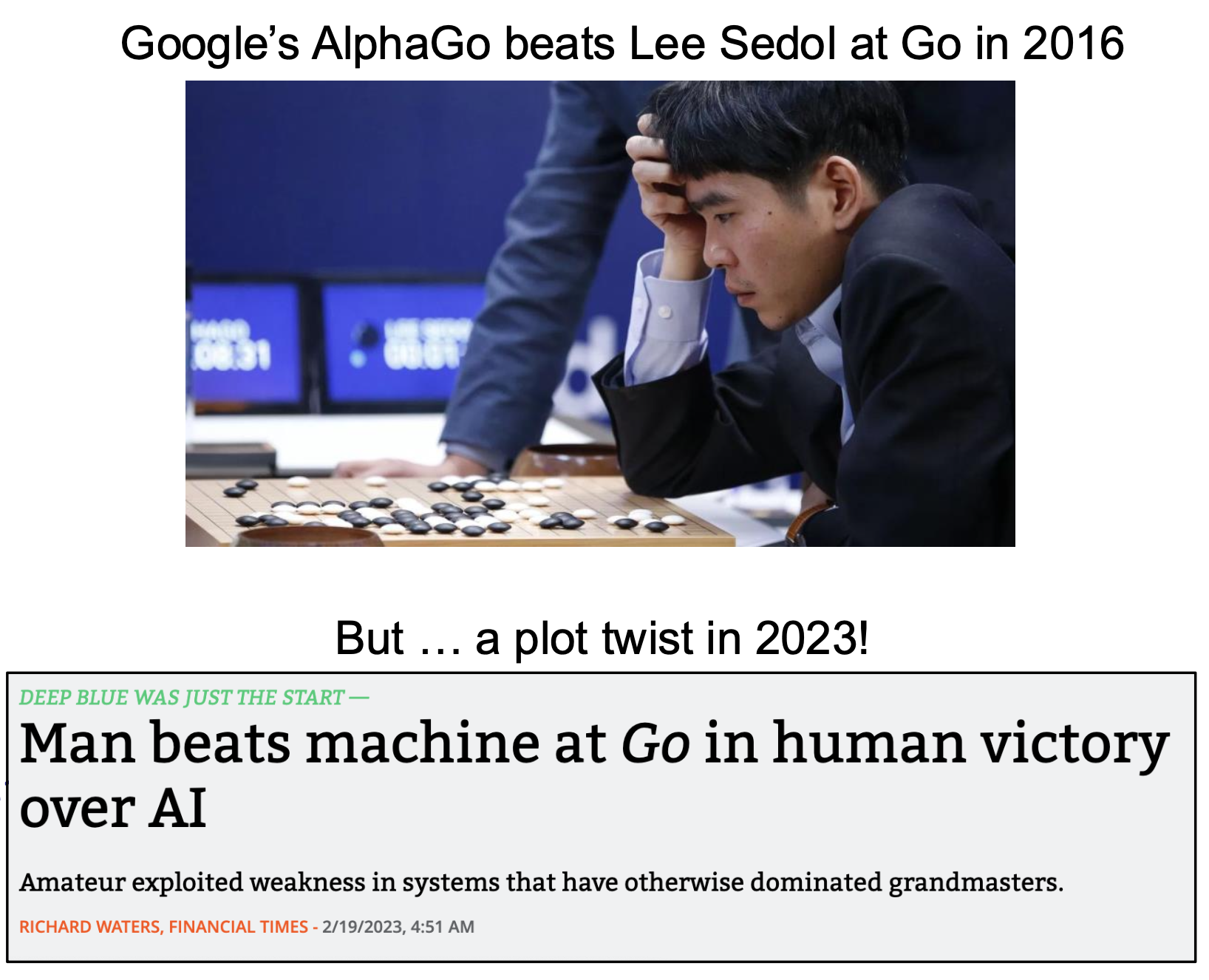
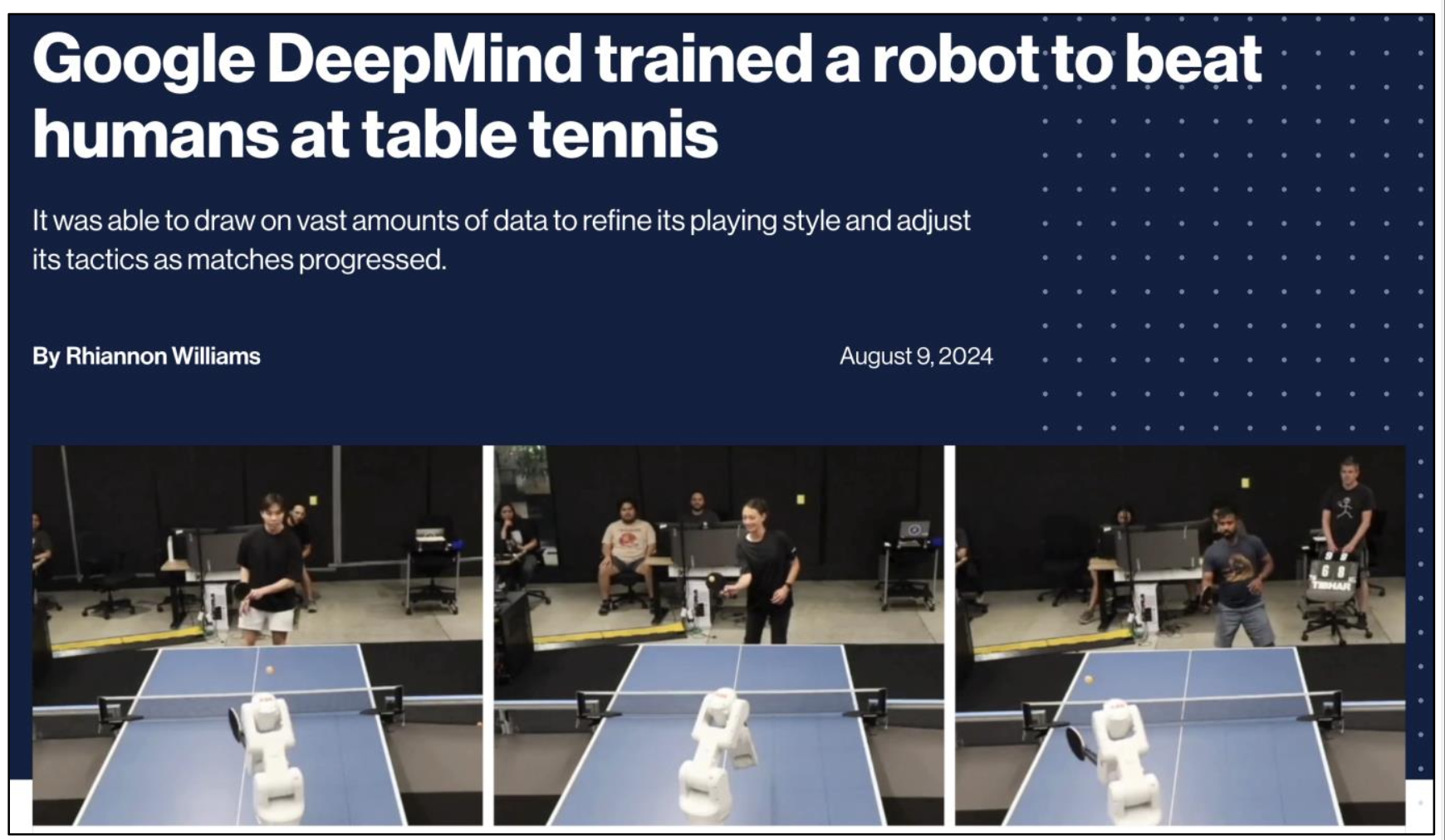



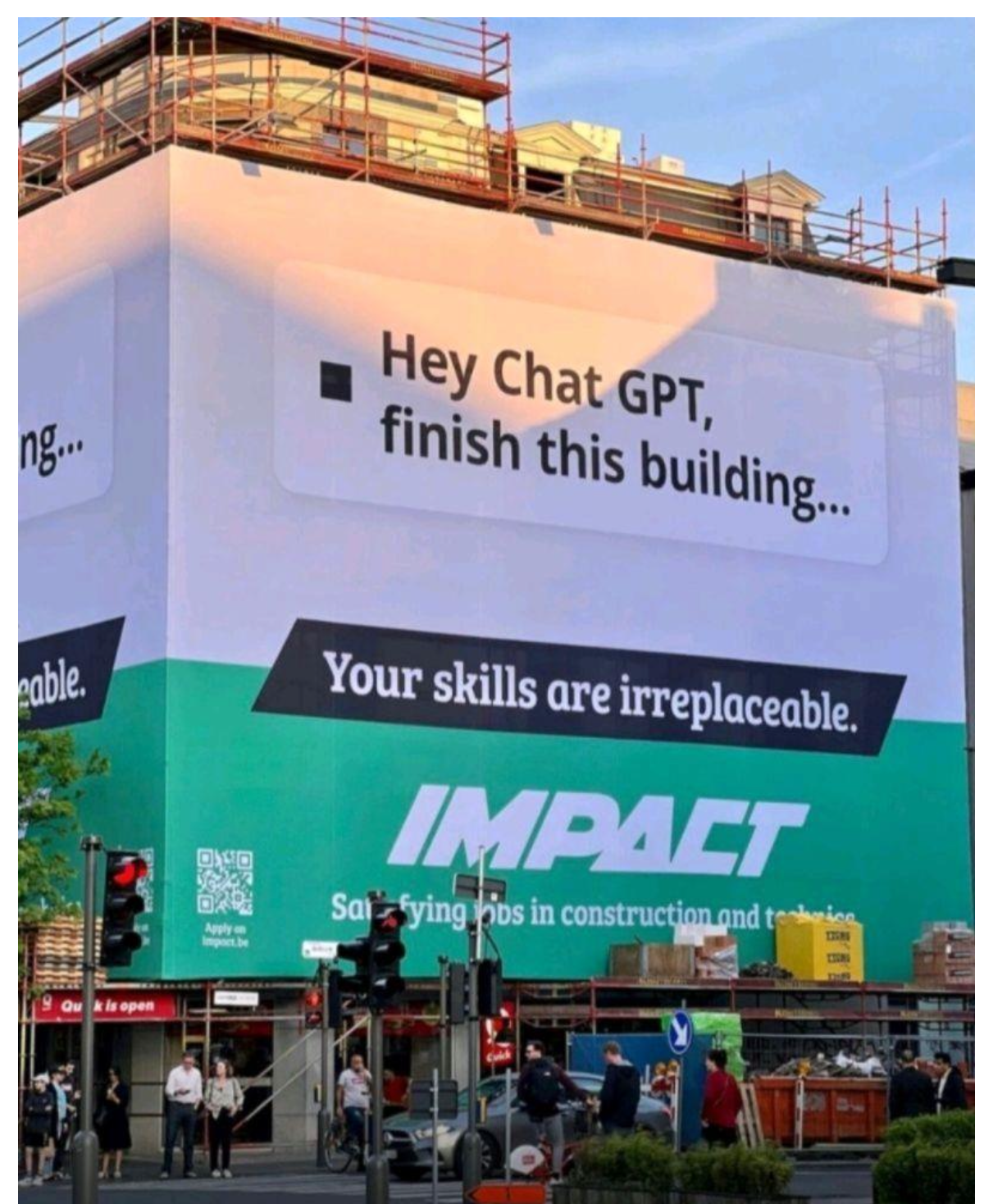
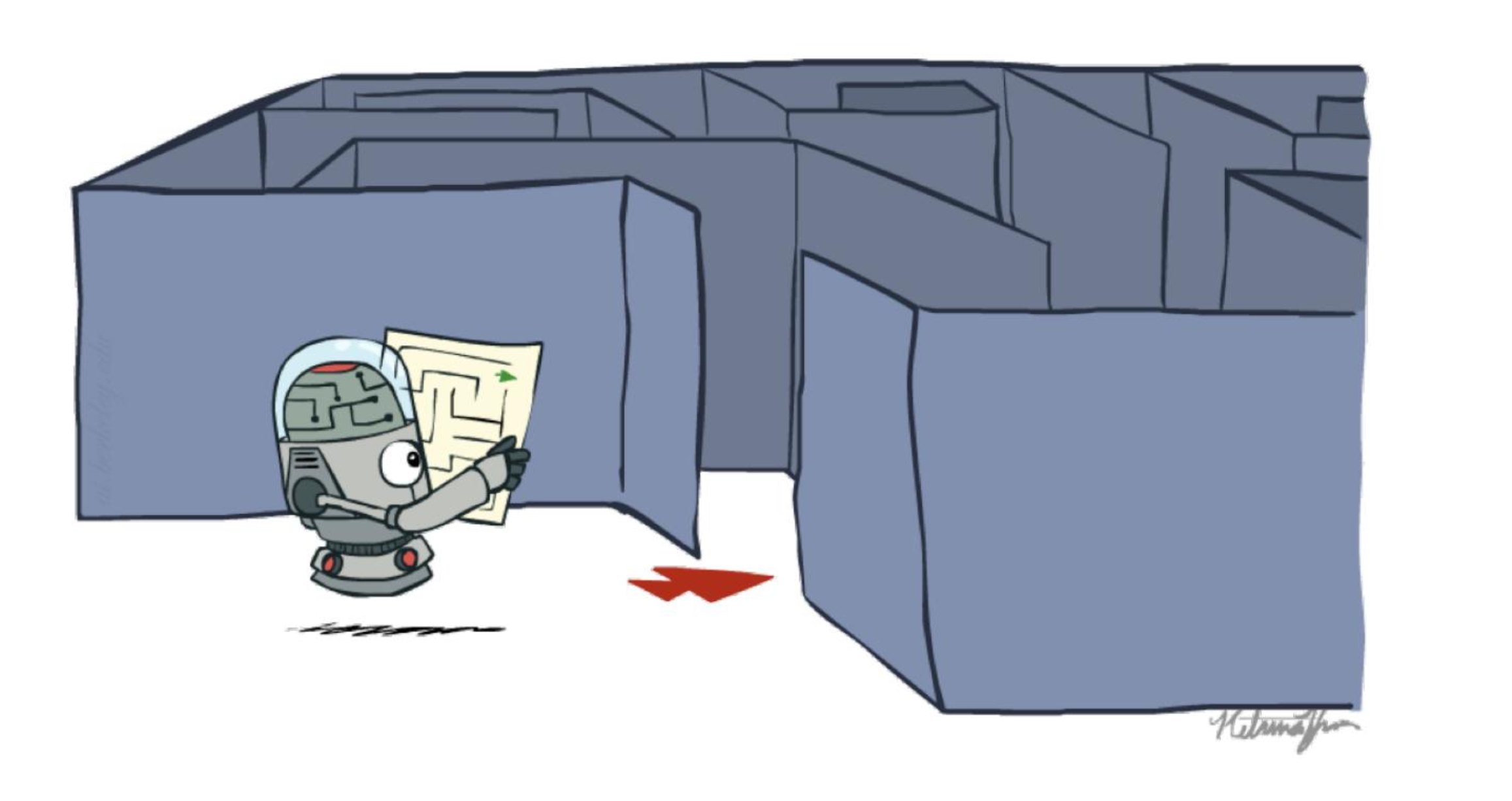
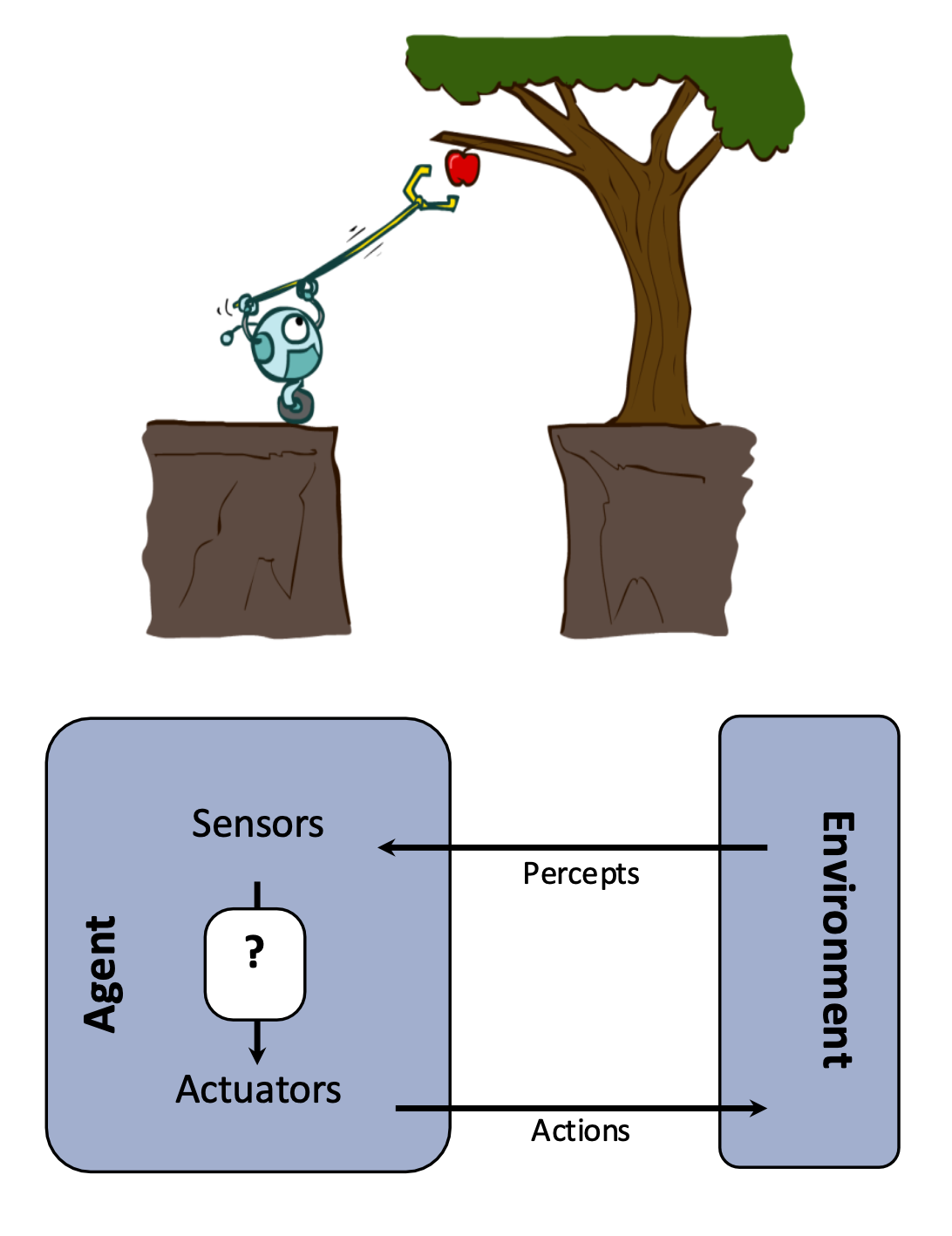 Image Credit: Dan Klein and Pieter Abbeel
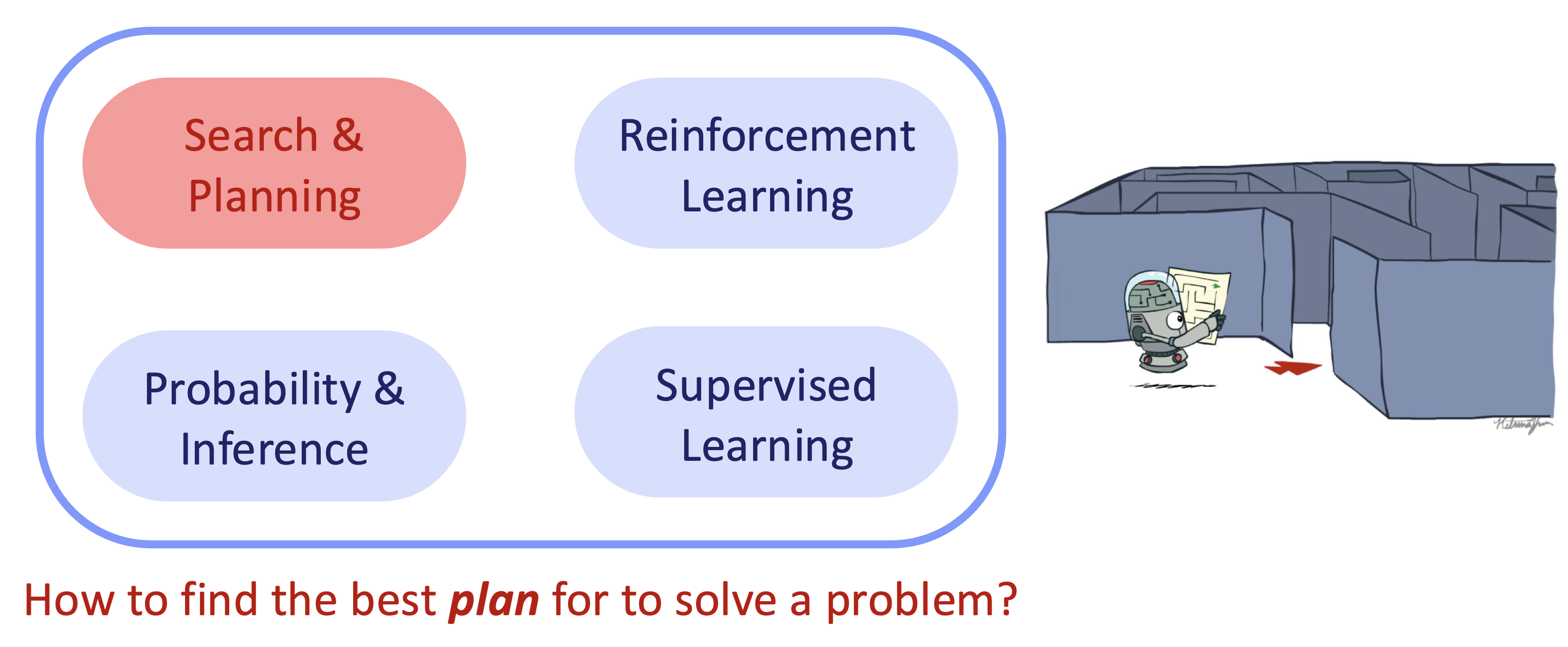 Image Credit: Dan Klein and Pieter Abbeel
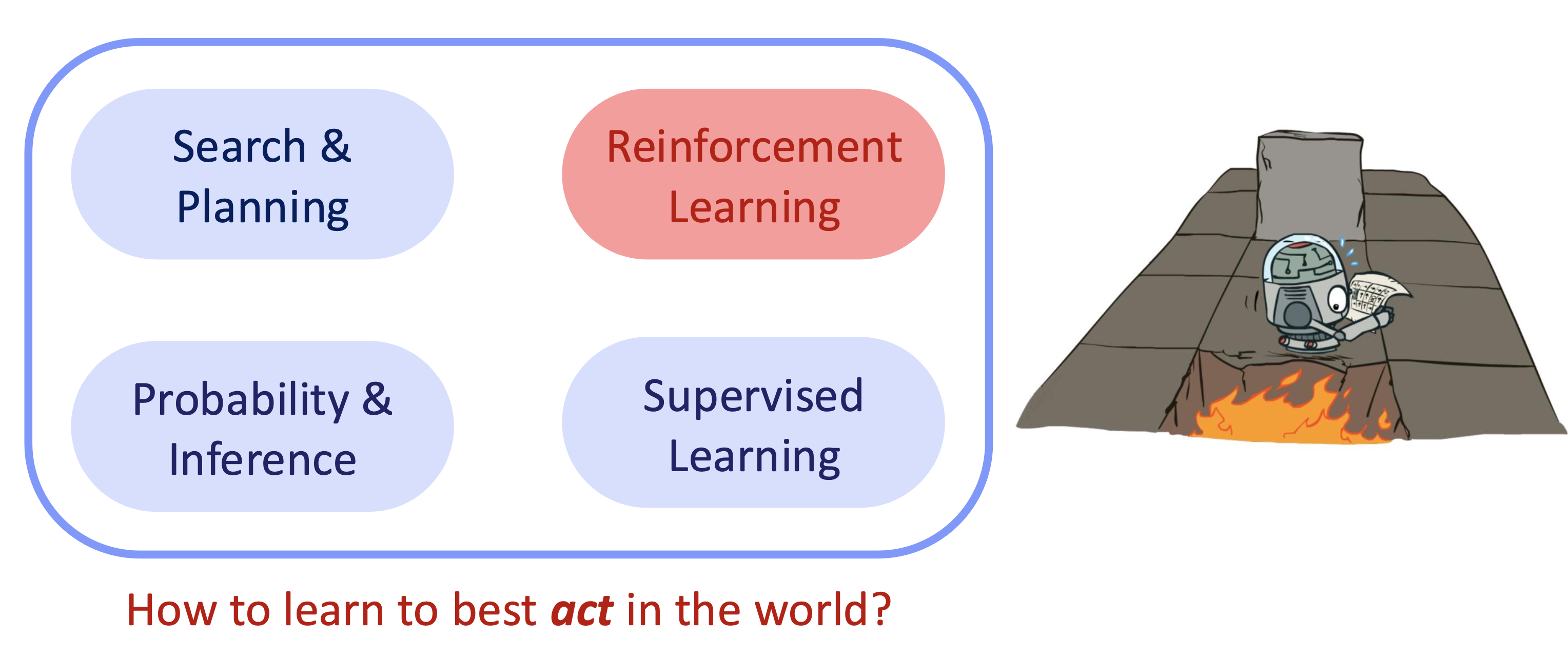 Image Credit: Dan Klein and Pieter Abbeel
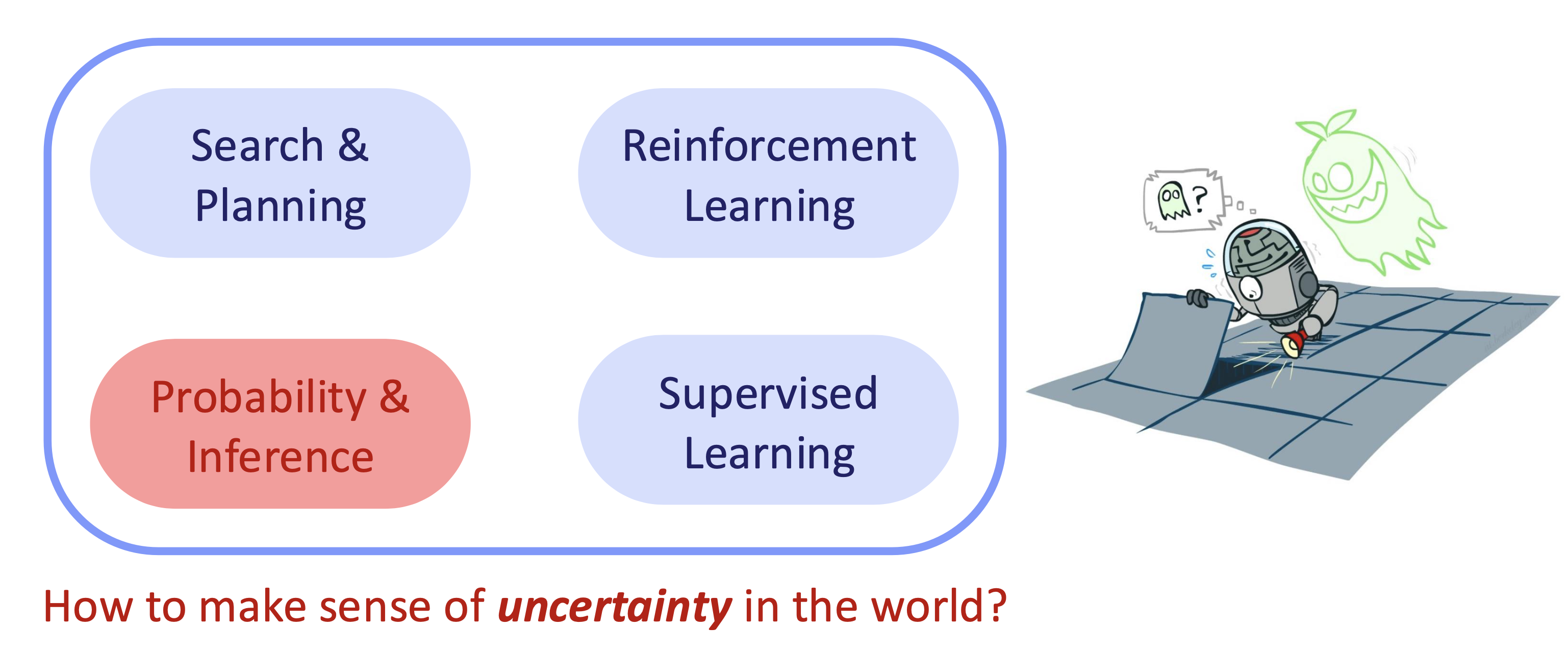 Image Credit: Dan Klein and Pieter Abbeel
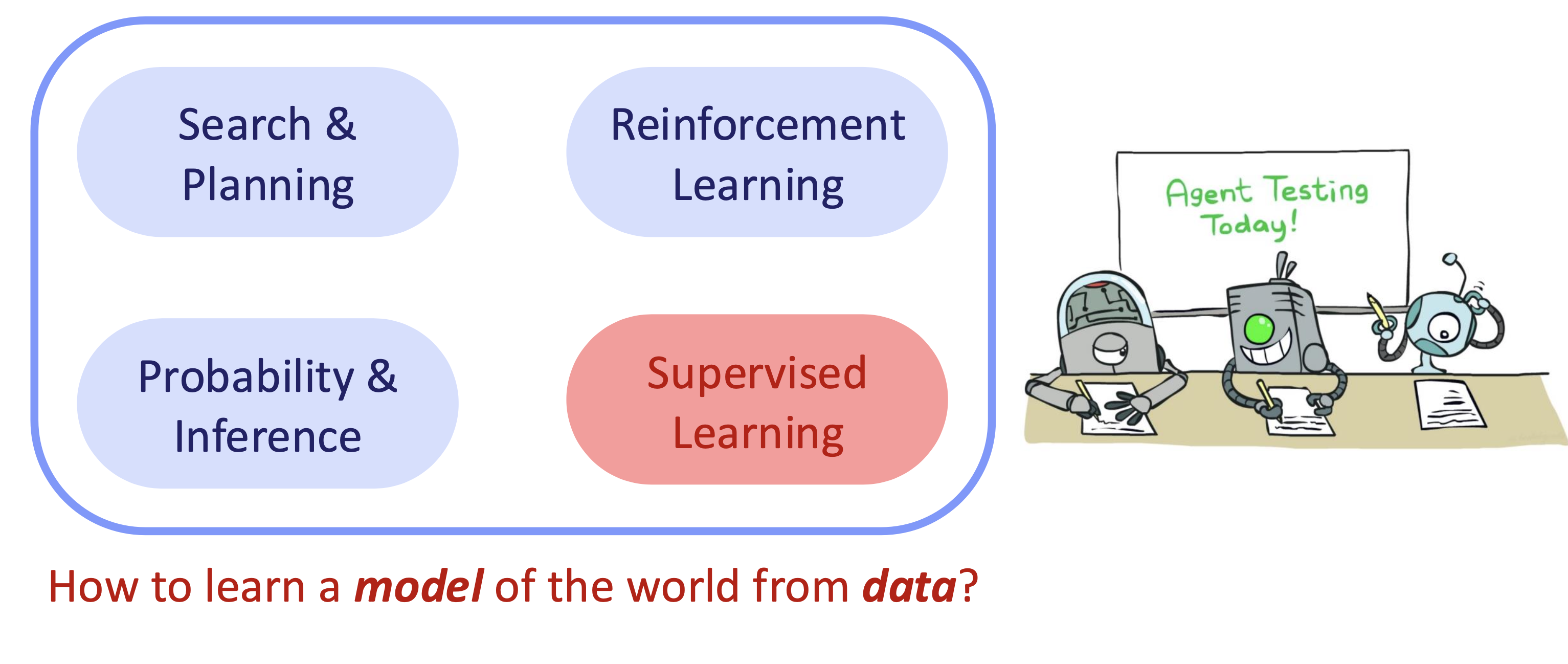 Image Credit: Dan Klein and Pieter Abbeel